


Understanding a video poker payout odds table matters when you weigh real returns against the paytable on screen. For an Australian adult comparing options on a mobile device, the numbers tell a clearer story than marketing copy ever could. This review focus stays on how those odds translate into everyday decisions, with a practical Melbourne lens on what actually works when you are playing on a phone during a lunch break.
How the payout odds table shapes mobile play
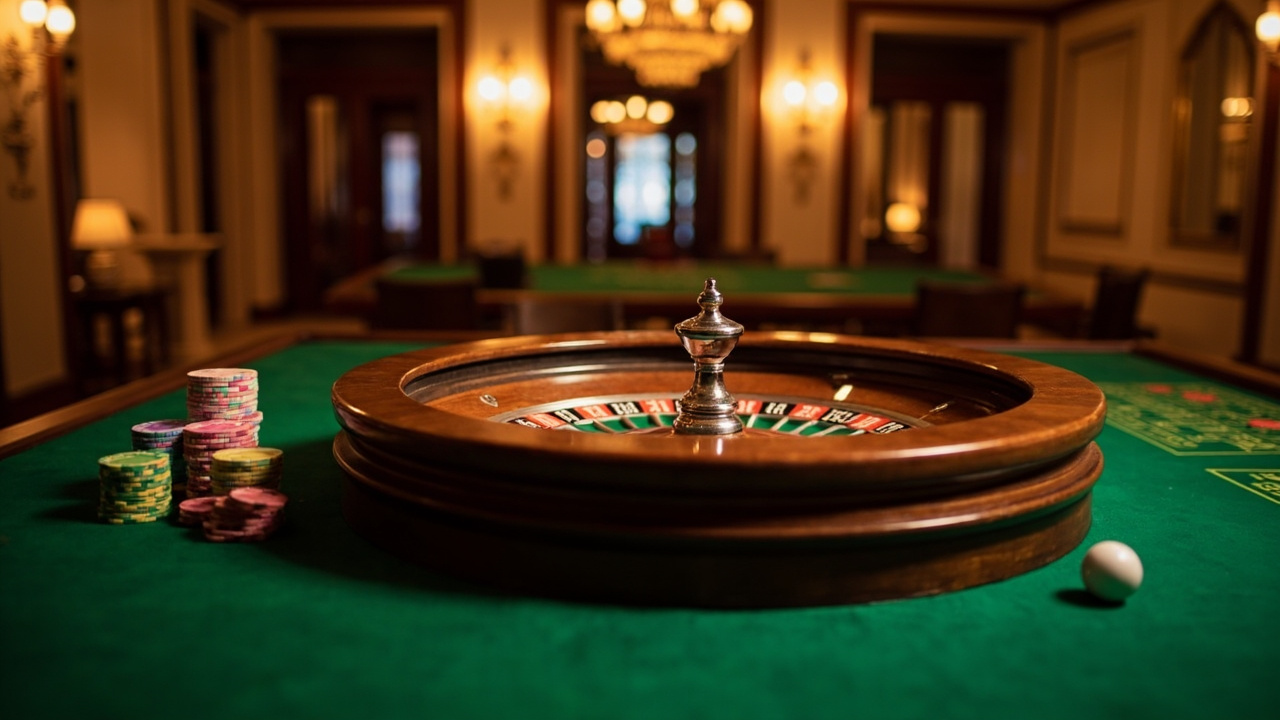
A solid video poker payout odds table rewards discipline more than luck, and that is exactly why mobile usability matters so much. On a phone, the table needs to render without squashing the paylines into a tiny strip, and the tap targets must stay readable when you are holding the device one-handed on a train to Flinders Street. The best setups keep the full odds grid visible without forcing constant pinching, and they let you toggle between full-pay and short-pay versions without reloading the whole screen. That matters because a paytable that hides the difference between a 9/6 Jacks or Better layout and a 8/5 variant changes the expected return in a way most casual players never notice.stellarspins review Poker odds and casino choices explained
Responsiveness is not just about fitting the screen. It is about whether the odds display stays anchored while you scroll through game history or bonus terms. A browser-based version that lags on a mid-range Android handset will frustrate you before you ever reach the decision point where the payout odds table actually guides your hold or discard choices. Performance also affects how quickly you can cross-check a hand against the table, and that speed is what separates a useful mobile session from one that feels clunky. Navigation should keep the paytable one tap away, not buried under three menus, because the whole point is to let the odds inform each hand rather than become an afterthought.
There is a trade-off worth naming here. A mobile-first layout that prioritises the odds table can feel tighter on a small screen, and some players will prefer a wider desktop view for deeper analysis. That is a genuine limit, not a flaw, and it is why a site that offers both a responsive mobile view and a stable desktop fallback tends to serve different playing styles better than one that forces a single format. The key judgement call is whether the odds table remains legible and usable at every screen size, because a table you cannot read quickly is no better than no table at all. Abigail Brown, Strategy Director, Great Southern Betting Review, puts it plainly: “A payout odds table only earns its keep when a player can read it mid-hand on a phone without losing the thread of the game.” That standard is a fair one, and it is the one that should drive how any mobile offering is judged.
What the odds table means for ordinary Australian play
For an ordinary Australian reader, the payout odds table is not an abstract exercise. It is the difference between treating a video poker session as a measured pastime and treating it as a loose shuffle of hope. Imagine someone sitting in a café in Melbourne with ten minutes between appointments, playing on a phone with a clear paytable in front of them. If the table shows a full-pay structure, that player can make a hold decision with a real sense of the return they are chasing, rather than guessing based on a flashy animation. If the table is shortened or obscured, the same ten minutes can drift into a less informed rhythm, and the expected value drops in a way that is easy to miss when you are just trying to relax.
That everyday example is why the odds table should sit close to the game, not off in a separate help section. When the numbers are visible at the moment of decision, they shape how you play each hand and how you think about bankroll limits. Benjamin Phillips, Affiliate Partnerships Director, Daintree Digital Ventures, notes that “players who can actually see the paytable while they play tend to make steadier choices, and that steadiness is what keeps a session from drifting.” The point is not that the table guarantees anything. It is that a clear table supports clearer decisions, and clearer decisions are what separate a controlled session from one that runs away from you.
There is also a practical payment detail that affects how the odds table fits into real play. Chips must usually be cashed at the cage, not with dealers, and that matters because it keeps the transition from play to cash-out orderly rather than improvised. On a mobile setup, that kind of clear boundary helps a player treat the session as a contained activity with a defined end, which is exactly the kind ofozwincodes.net discipline a payout odds table is meant to support. Cooper McKenzie, Marketing Director, Boomerang Gaming Insights, frames it this way: “The odds table is only useful if it sits inside a setup that treats cash and play as separate things, because mixing them muddies the whole exercise.” That is a fair caveat, and it is one that keeps the focus on how the table actually functions in a real playing environment.
Matching the odds table to what players need
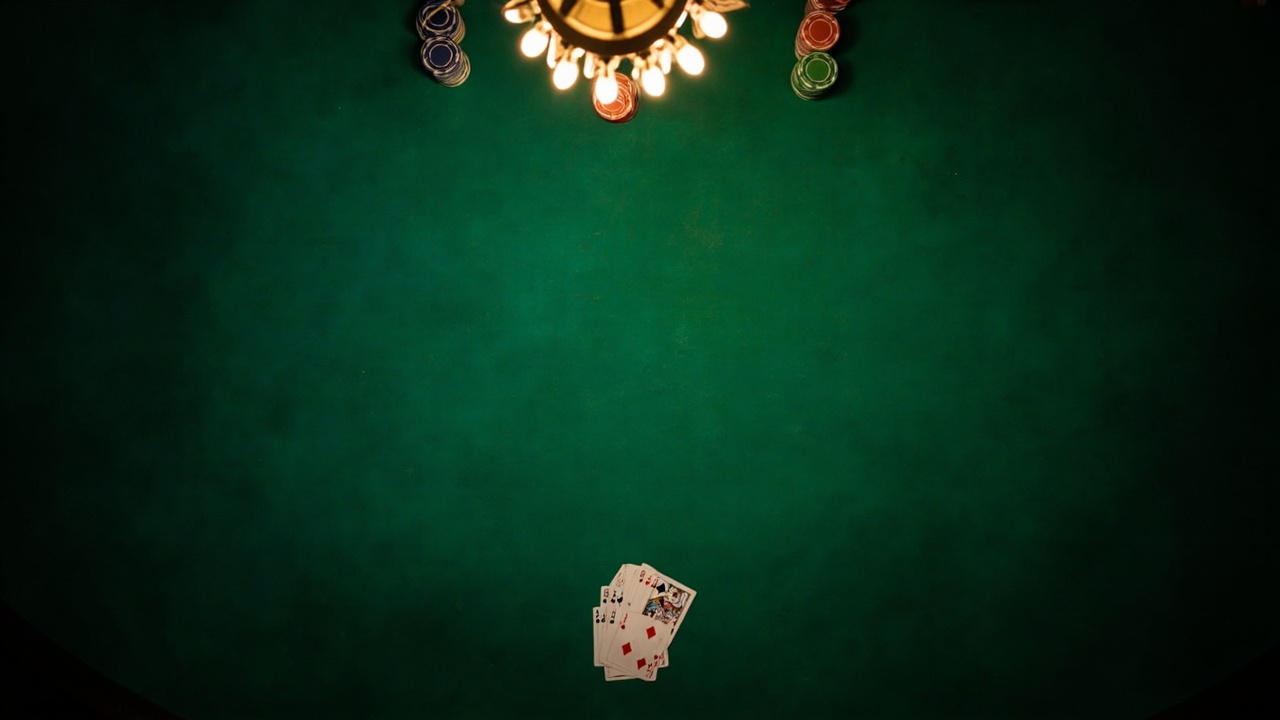
A video poker payout odds table only earns its place when it matches the way a player actually wants to play. Some people want a quick mobile session with a clear paytable and a straightforward hold decision; others want a deeper read on expected return before they commit any time at all. The right setup gives both without forcing one style onto the other. That means a display that keeps the odds visible, navigation that does not bury the table, and a mobile view that stays readable when you are playing on the go. It also means being honest about the trade-offs, because a table that looks tidy on a phone can still hide a short-pay structure if you are not paying attention.
For an Australian adult, the useful question is whether the odds table helps you play with your eyes open. If it does, it becomes a genuine tool rather than decoration. If it does not, then the whole setup is just a prettier way to lose track of what you are chasing. The best judgement call is simple: can you read the table, understand the return it implies, and use it without fighting the interface? If the answer is yes on a mobile device, then the odds table is doing its job. If the answer is no, then the rest of the experience does not matter much.
A payout odds table is a paytable that shows the return for each hand rank, usually expressed as coins returned per coin wagered. Full-pay refers to a video poker layout with the highest standard return, such as 9/6 Jacks or Better. Short-pay describes a reduced paytable that lowers the expected return below the full-pay standard. Hold is the decision to keep selected cards for the next draw. Expected return is the long-run average payout a player can anticipate from a given paytable and strategy.